
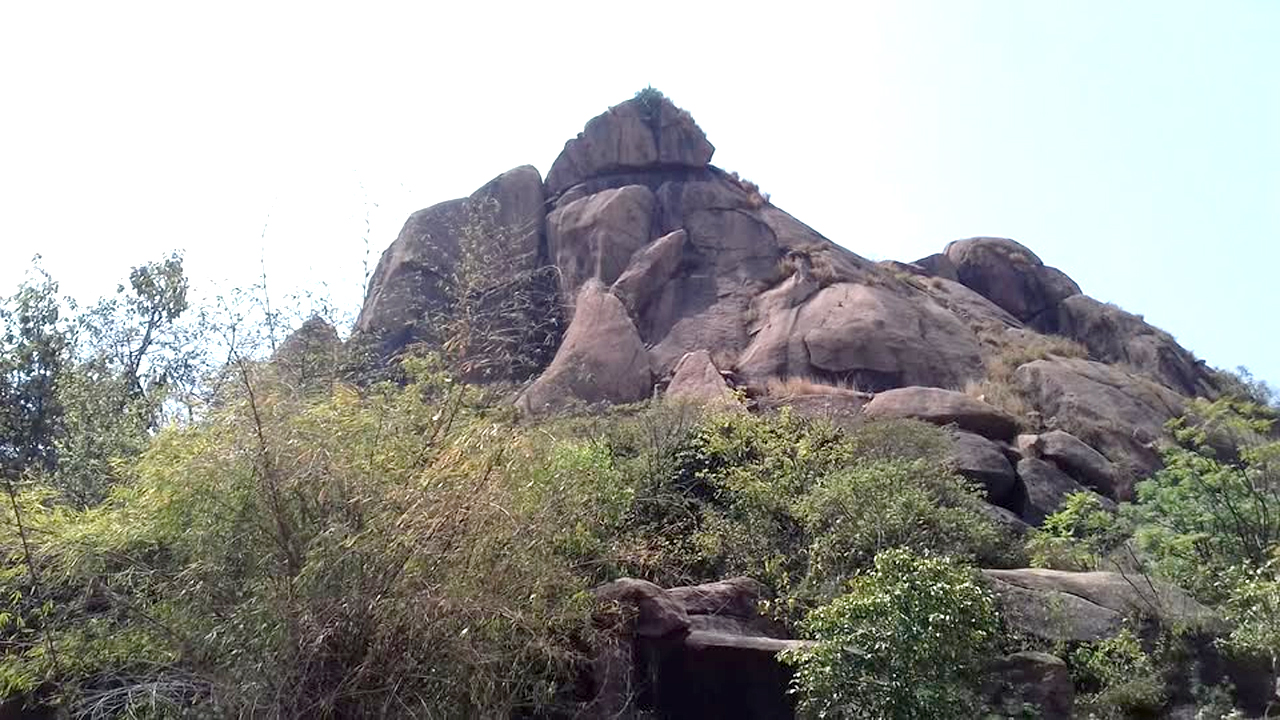
Community-led ecological restoration and a centuries-old cultural landscape face destruction as quarrying resumes; villagers allege criminalisation of resistance
Purulia, West Bengal: The Bero-Chandi hillocks in Purulia’s Raghunathpur subdivision are facing renewed threats from granite and stone mining, with local communities and environmental activists warning that continued quarrying could destroy a landscape shaped by decades of ecological regeneration, traditional worship and local cultural history.
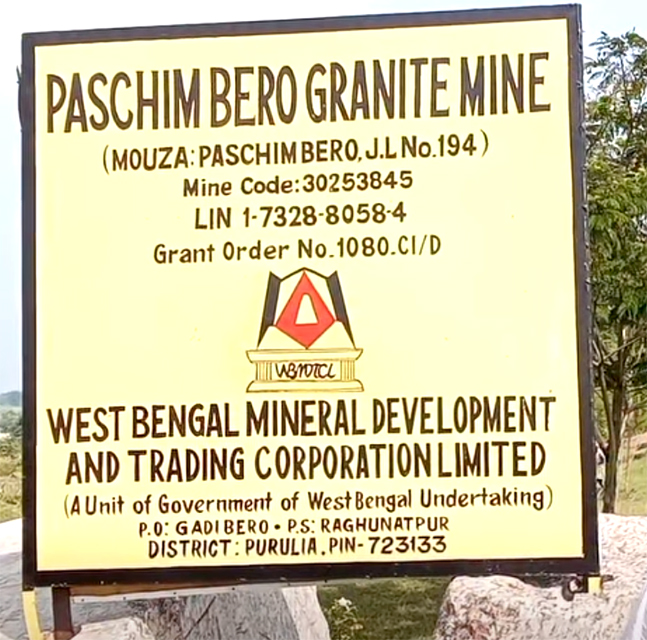
An appeal issued by those supporting the local resistance has called on civil society organisations, environmental groups, human rights organisations, student movements and cultural activists across West Bengal to intervene against what it describes as the “aggressive granite stone mining” now threatening Bero-Chandi Pahar. The appeal demands an immediate and unconditional halt to all granite and stone mining activities and the withdrawal of criminal cases against villagers and environmental activists.
Ecological Restoration and Wildlife Resurgence
According to the appeal, the Bero-Chandi hillocks are far more than geological formations. They represent a vibrant, living landscape in which ecology, community life, traditional practices and literary history are closely intertwined. The area had suffered extensive loss of tree cover for decades. Local residents subsequently undertook sustained community-led afforestation, gradually restoring the green cover and reviving the local ecosystem.
The restoration reportedly brought back a range of wildlife, including striped hyenas, wild pigs, Indian pythons, jackals and two species of rabbits, alongside numerous resident and migratory birds. The return of avifauna, the appeal states, also contributed to improved soil enrichment, water retention and the local micro-hydrological cycle.
This fragile ecosystem and the peaceful lives of the local communities protecting it face imminent destruction due to resumption of aggressive granite stone mining.
Living Cultural Heritage and Historical Roots
The Bero-Chandi hills are deeply intertwined with the spiritual and cultural identity of the region. The sacred worship of Devi Chandi at this site dates back at least 300 years, anchoring the traditional spiritual practices of the local populace.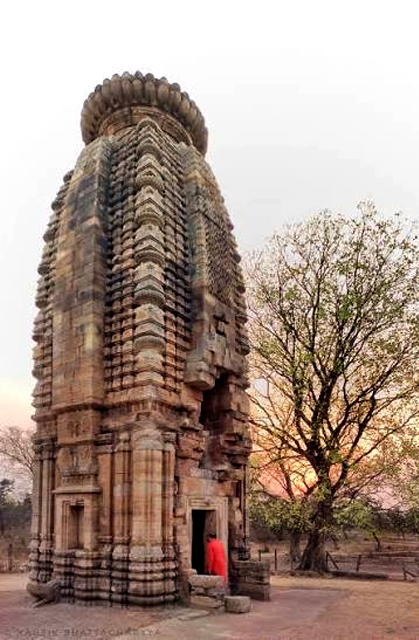
The landscape holds profound literary value for Bengal. It served as the central backdrop for Bibhutisbhusan Bandyopadhyay’s classic Bengali masterpiece, “Rankini Devir Kharag” written over 80 years ago.
The hills harbour ancient natural cave systems that form an integral part of the local terrain and ecosystem.
It is this historical and cultural heritage that villagers say is now at risk from renewed quarrying.
Villagers’ Resistance to Mining and Criminalisation of Dissent
Low-intensity granite quarrying in the region began around 2014. Facing the threat of ecological devastation, local villagers mounted a peaceful yet resolute resistance, eventually succeeding in stopping operations by 2018.
Commercial mining operations, however, resumed in 2024. The resumption was preceded by the targeting of local leadership and environment activists. At least 14 villagers were implicated in fabricated criminal charges, thrust into police custody, and incarcerated for 14 days before securing bail. The use of state force and intimidation to silence environmental defenders and suppress local resistance to mining is a gross violation of democratic norms and community rights.
For the communities resisting the mining, the issue is not simply one of land use or quarrying. They argue that the destruction of the hillocks would also mean the loss of a regenerated forest landscape, wildlife habitat and water catchment areas on which surrounding agriculture and community life depend. They warn that continued industrial-scale granite and stone extraction could permanently damage sacred sites, cultural traditions and geological formations associated with the hills.
Urgent Appeal to Civil Society
The appeal argues that local communities have shown exemplary courage in safeguarding their environment, but they cannot be expected to confront politicians backed powerful commercial mining interests on their own, particularly amid a reign of intimidation and repression.
It calls on democratic organisations, environmental and human rights groups, students, cultural activists and citizens to publicly support the villagers, write to the Purulia and West Bengal administrations, issue solidarity statements and help bring the struggle into public and media gaze. It also proposes solidarity visits and fact-finding initiatives, along with legal and social support for those facing criminal cases.
At the centre of the campaign are two core demands:
- An immediate and unconditional halt to all granite and stone mining at Bero-Chandi Pahar
- The withdrawal of what the campaign describes as false and fabricated criminal charges against local villagers and environmental defenders
For the communities of Bero-Chandi, the struggle is ultimately over more than a cluster of hillocks. It is a fight to preserve a landscape they have helped regenerate, a habitat reclaimed by local wildlife, and a cultural inheritance that has survived for generations—now confronted by the resumption of destructive mining.